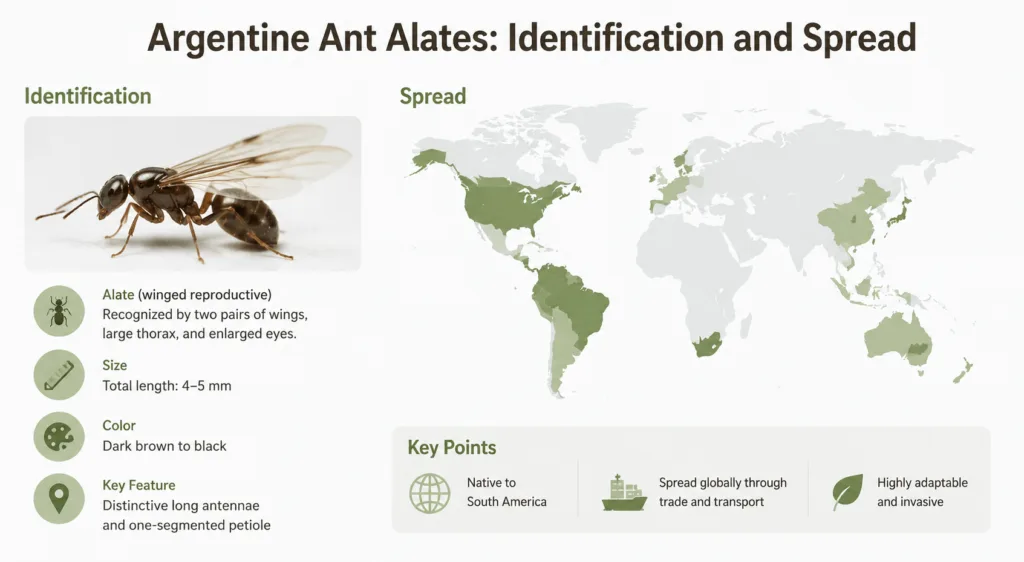
Argentine Ant Alates: Identification and Spread
Argentine ant alates are reproductive forms of Linepithema humile, while colony spread often relies more on budding than long queen flights.
Founder of Alate.org
Founder and Publisher
Ronald E. Kiel
Founder of Alate.org | Independent Publisher | WordPress Content Manager
Portland, Oregon, United States
About
Ronald E. Kiel is the founder of Alate.org, an independent publishing website focused on clear, accessible and well-organized online content. He oversees editorial planning, website development and content quality across the site.
His work focuses on WordPress publishing, content organization, search visibility and improving the overall reader experience.
Experience
Founder and Publisher
Alate.org
January 2024 – Present
Portland, Oregon, United States
Oversees the editorial direction of Alate.org.
Plans and organizes website content.
Reviews articles for clarity and structure.
Manages WordPress publishing workflows.
Monitors site performance and usability.
Coordinates content updates and corrections.
Content Manager
Northbridge Digital Media
March 2020 – December 2023
Portland, Oregon, United States
Managed content calendars for informational websites.
Edited and formatted articles in WordPress.
Improved internal linking and content organization.
Reviewed pages for readability and consistency.
Supported basic search optimization tasks.
Web Content Assistant
Clearpath Publishing Studio
June 2017 – February 2020
Salem, Oregon, United States
Uploaded and formatted website content.
Maintained article categories and metadata.
Updated older pages and corrected broken links.
Assisted with routine website maintenance.
Education
Northbridge College
Bachelor of Arts in Digital Media and Communication
2013 – 2017
Skills
WordPress
Content Management
Editorial Planning
Web Publishing
Content Editing
Website Administration
Search Engine Optimization
Internal Linking
Content Strategy
User Experience Review
Languages
English — Native or bilingual proficiency
German — Limited working proficiency
Website
Alate.org
<a href=https://www.linkedin.com/in/ronald-e-kiell/
All published articles by Ronald E. Kiel
Argentine ant alates are reproductive forms of Linepithema humile, while colony spread often relies more on budding than long queen flights.
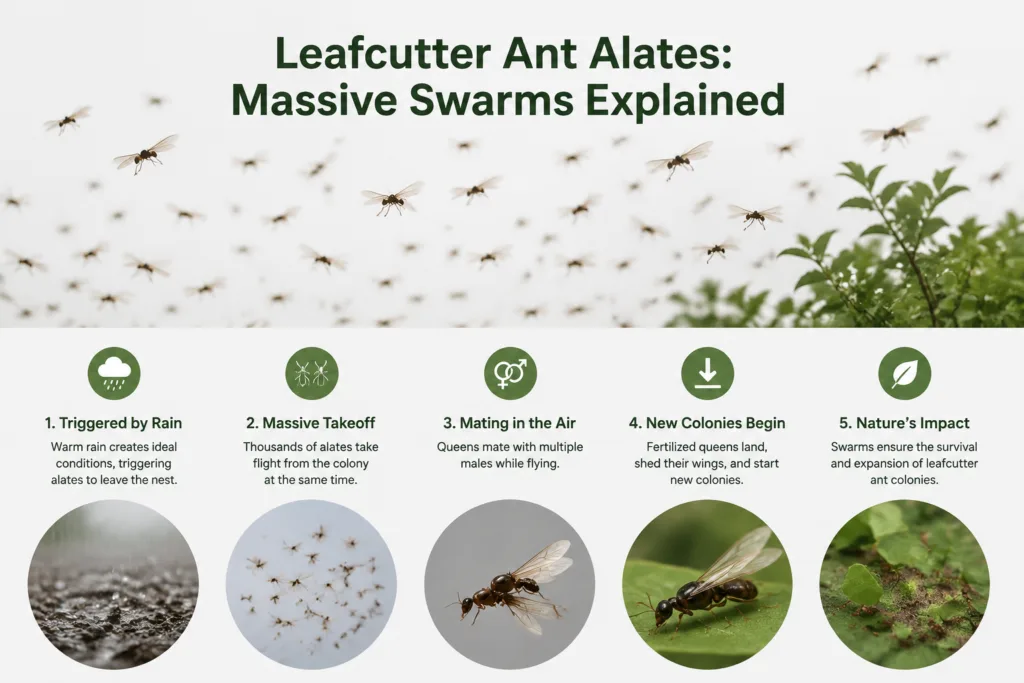
Leafcutter ant swarms are reproductive flights from mature colonies. Males, gynes, workers, weather, and nest activity shape the event.
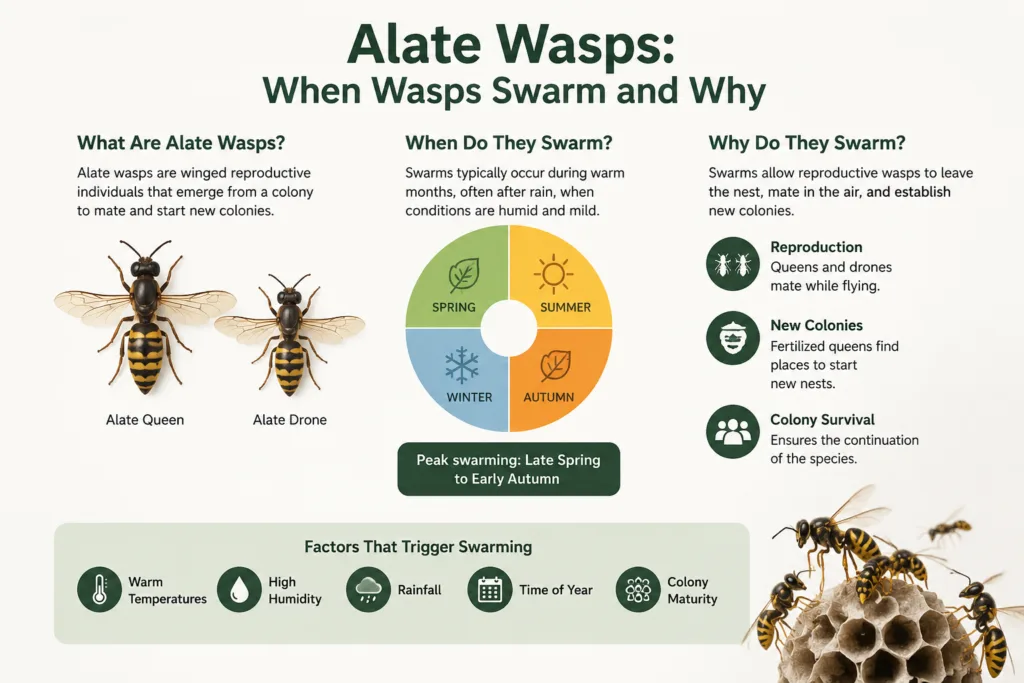
Wasp swarms can reflect mating, seasonal reproduction, or other group behavior. Weather, timing, and nest context help interpret the event.
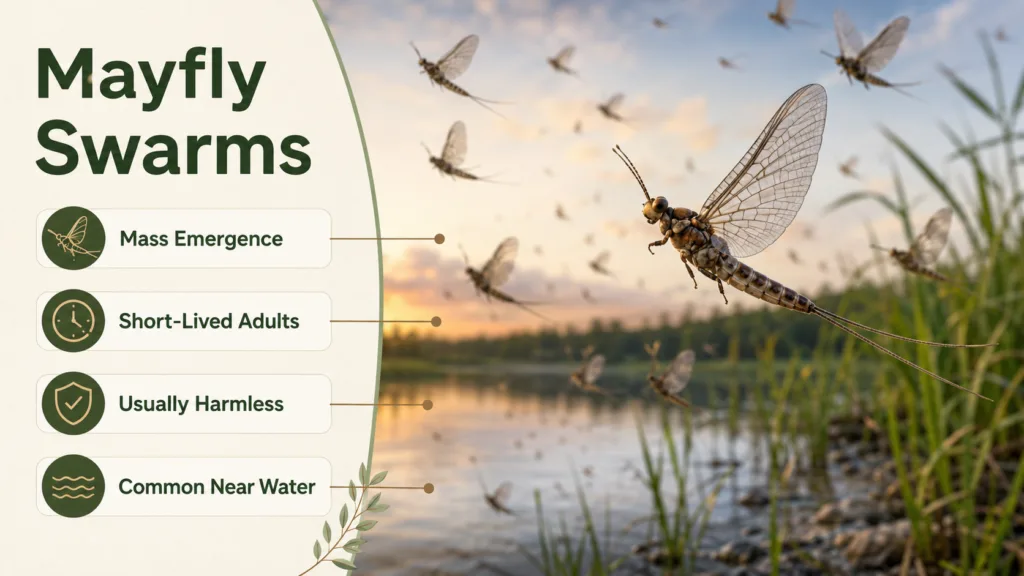
Mayfly swarms are brief emergence and mating events. Adult mayflies do not bite, sting, damage wood, or establish household infestations.
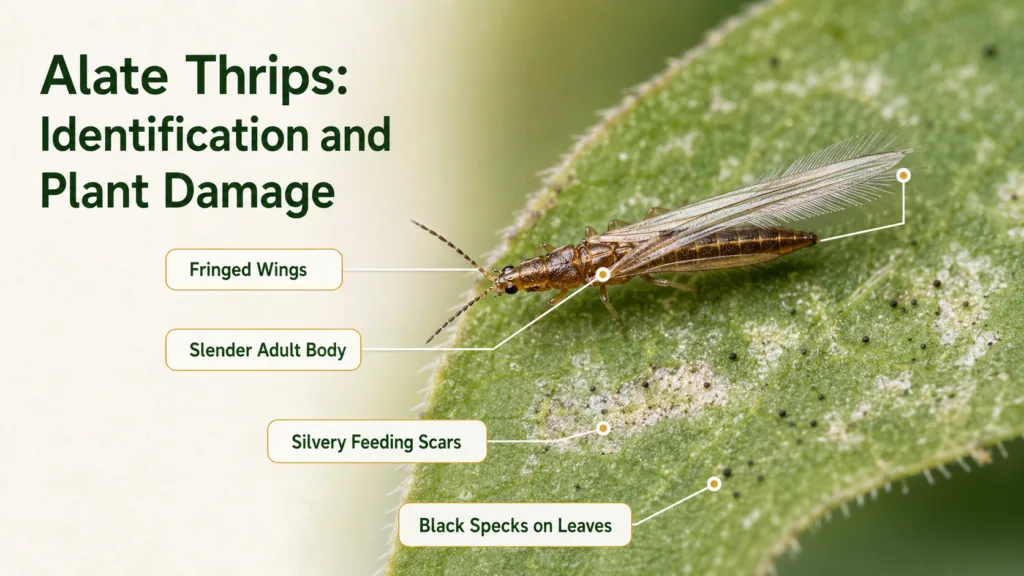
Alate thrips are winged adults, not a species or caste. Fringed wings, feeding scars, frass, and distorted growth help support identification.
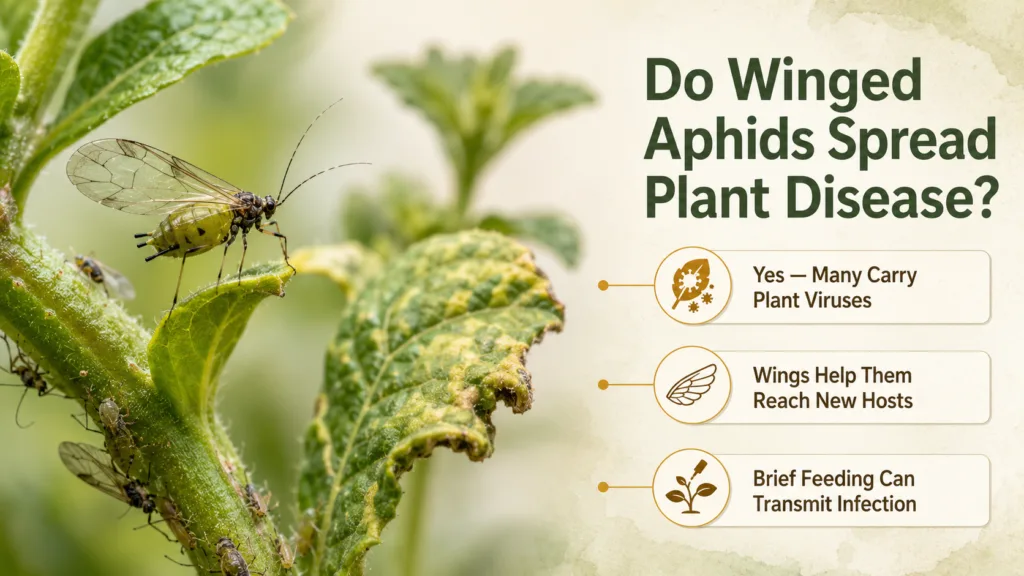
Winged aphids can spread plant viruses after probing infected hosts, but transmission depends on the virus, aphid vector, and host plant.
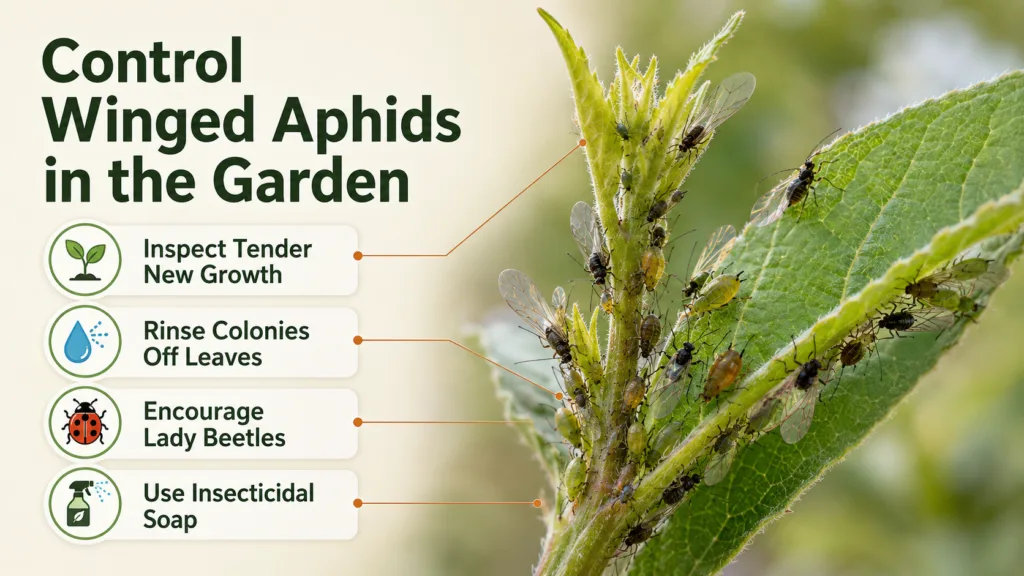
Control winged aphids by reducing the plant colony, not chasing adults in flight. Water, pruning, predators, and labeled contact sprays may help.
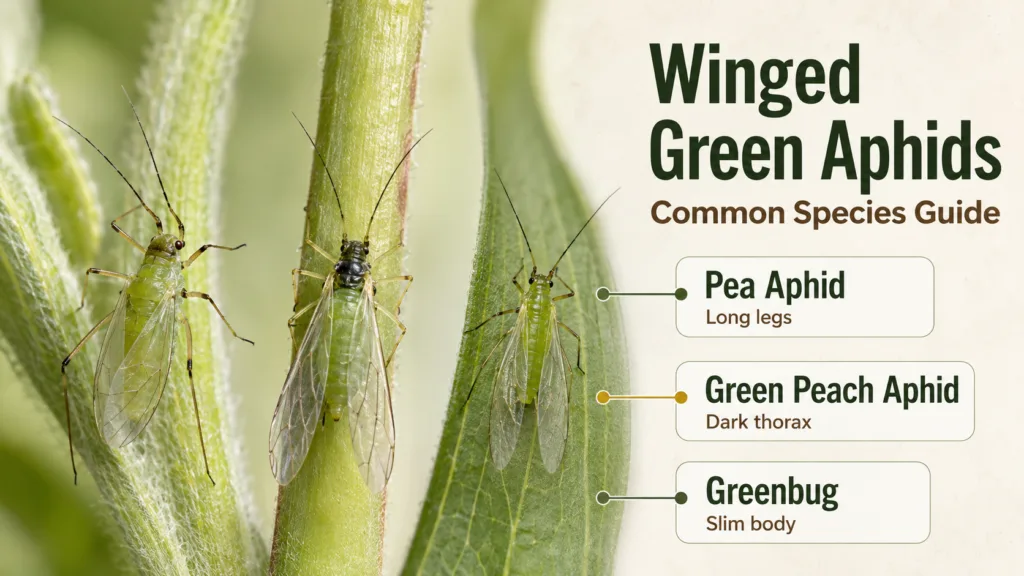
Green winged aphids span several species. Host plant, cornicles, body size, antennae, and dark markings help separate likely candidates.
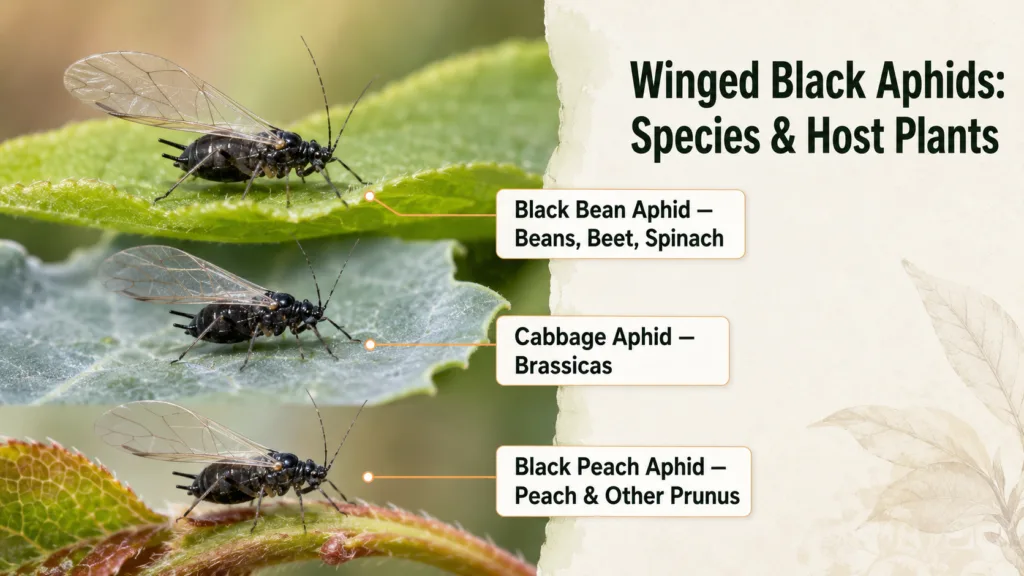
Black winged aphids span several species. Host plant, colony position, nearby wingless forms, structure, and markings matter more than color.
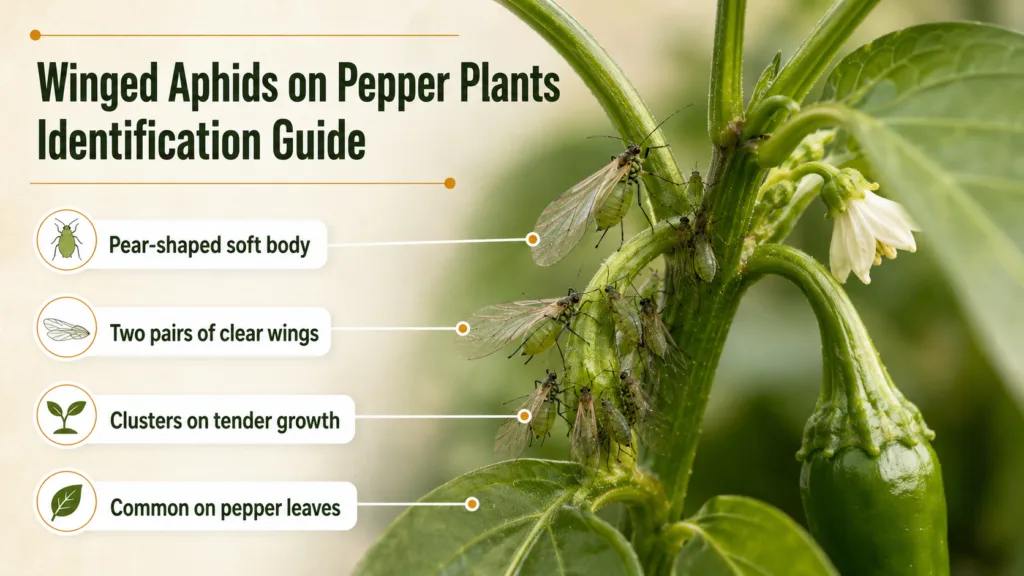
Identify winged aphids on peppers by pear-shaped bodies, antennae, and cornicles, then use host plant and markings to narrow the species.
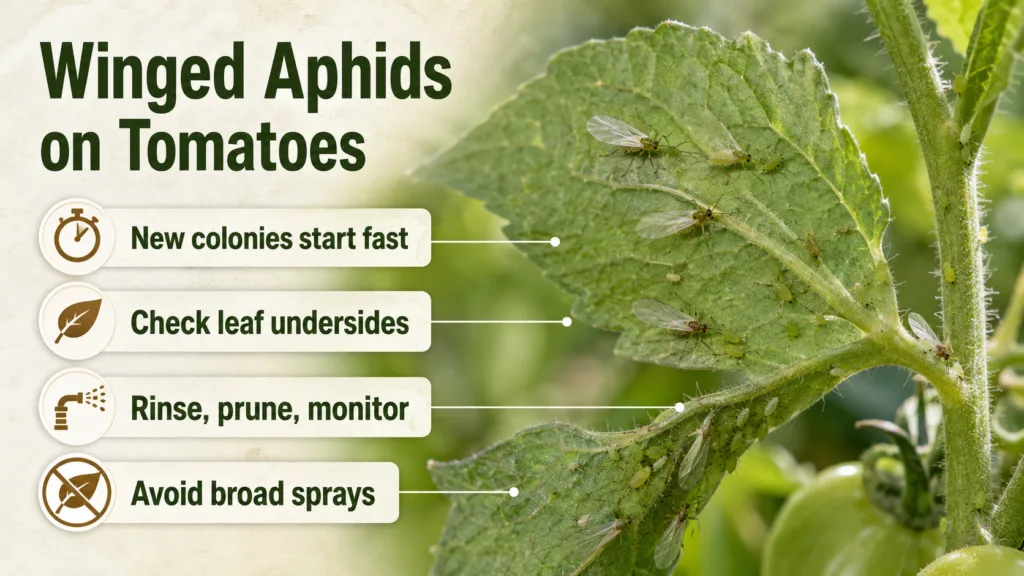
For winged aphids on tomatoes, confirm colonies on tender growth, then match control to severity with water, pruning, predators, soap, or oil.
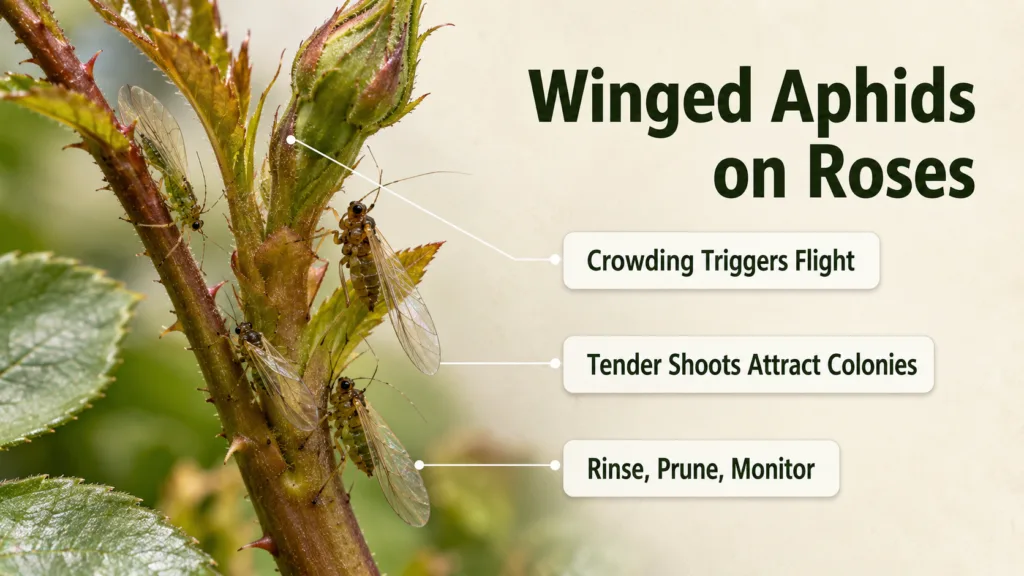
Winged aphids on roses often signal colony dispersal. Check shoots, buds, honeydew, cast skins, and ants before choosing a treatment.
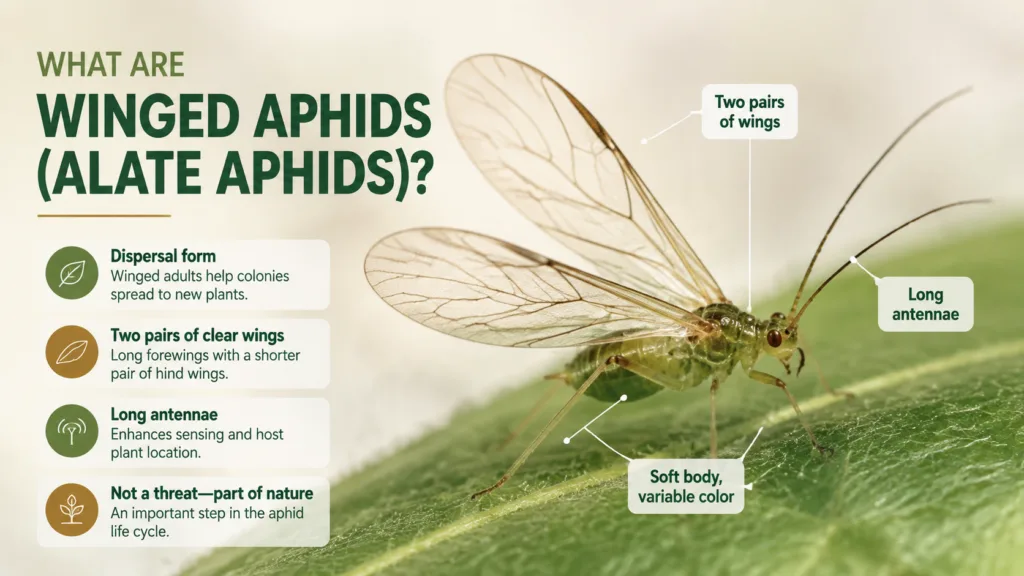
Winged aphids are dispersal forms, not a separate species. Cornicles, clear wings, body shape, and host context help confirm identification.
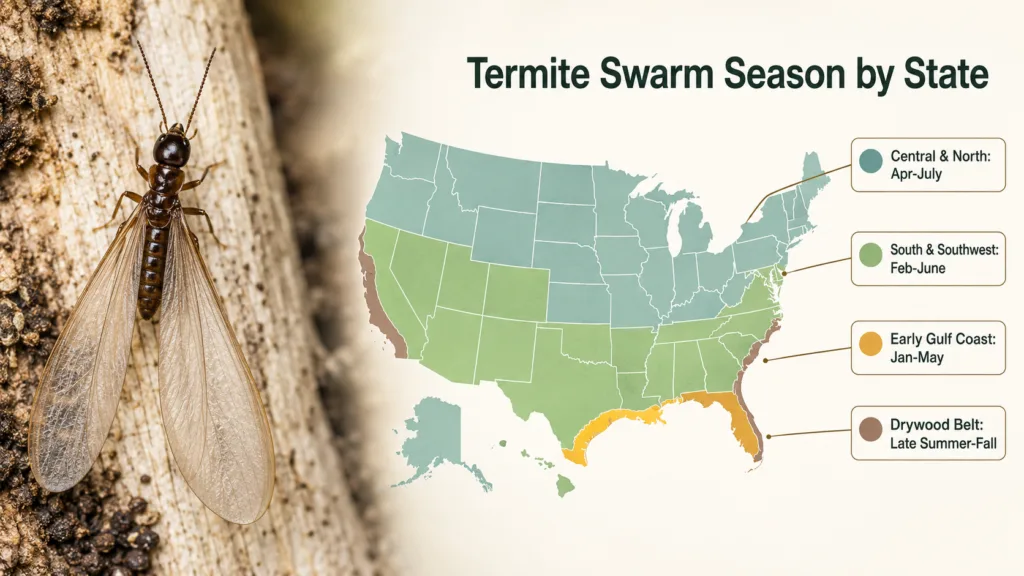
State-level termite swarm windows vary across the US by termite group, climate, rainfall, and region, with later activity in some warm areas.
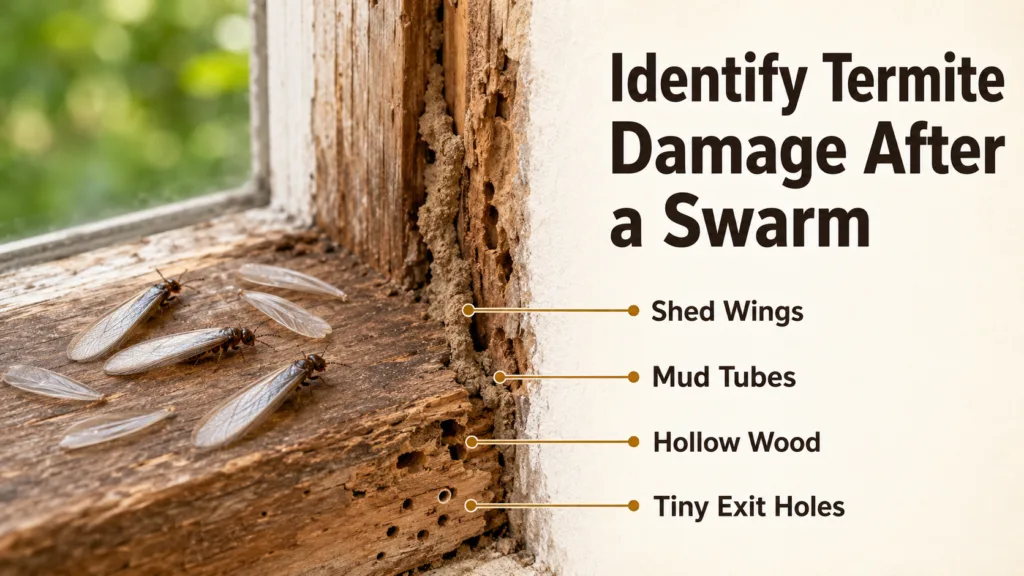
After a termite swarm, inspect emergence sites, wood damage, mud, pellets, and feeding signs rather than treating the swarm as damage.
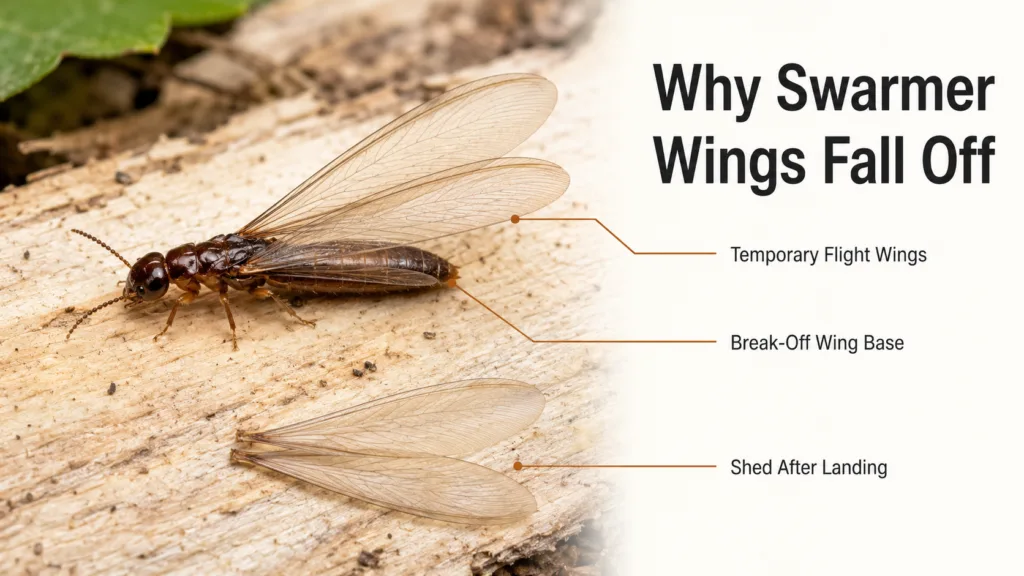
Termite alates shed temporary flight wings along basal sutures after dispersal. This dealation transition prepares them for life on the ground.
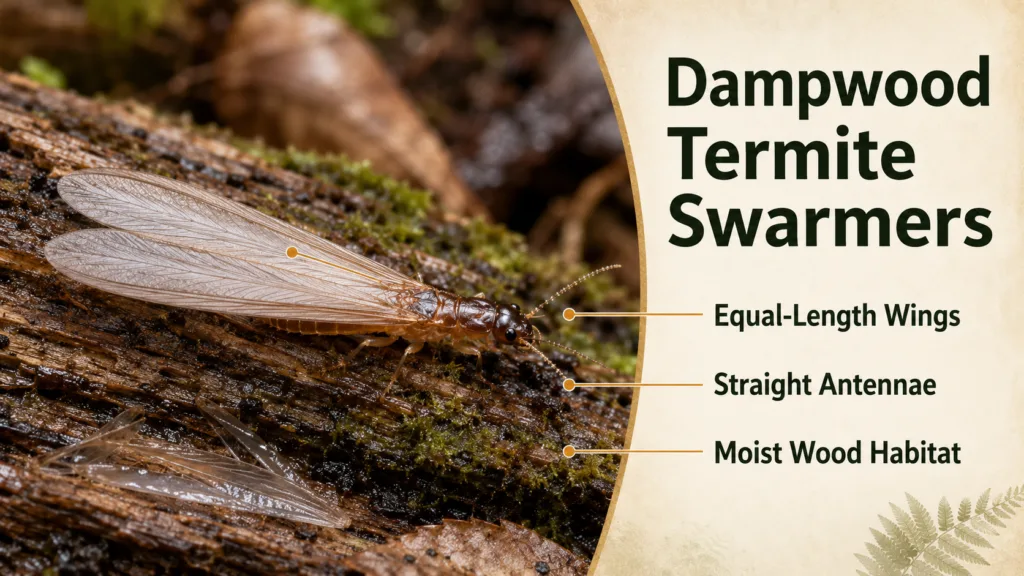
Dampwood termite swarmers are reproductive alates linked to damp or decayed wood. Moisture and emergence sites help interpret sightings.
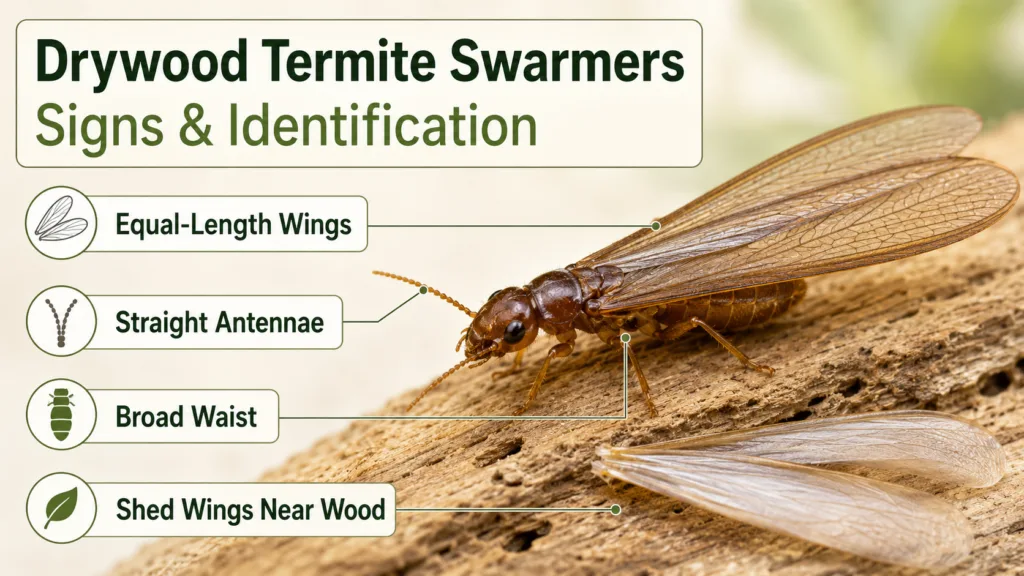
Drywood termite swarmers are identified by termite body traits plus pellets, kick-out holes, emergence location, and other evidence in the wood.
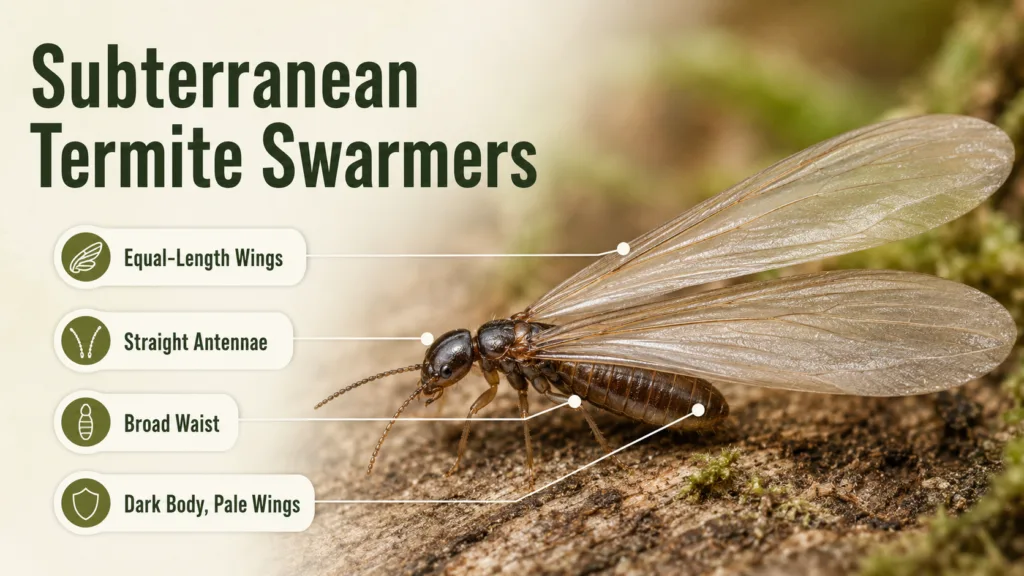
Subterranean termite swarmers share termite body traits; soil contact, shelter tubes, and emergence sites help distinguish this group.
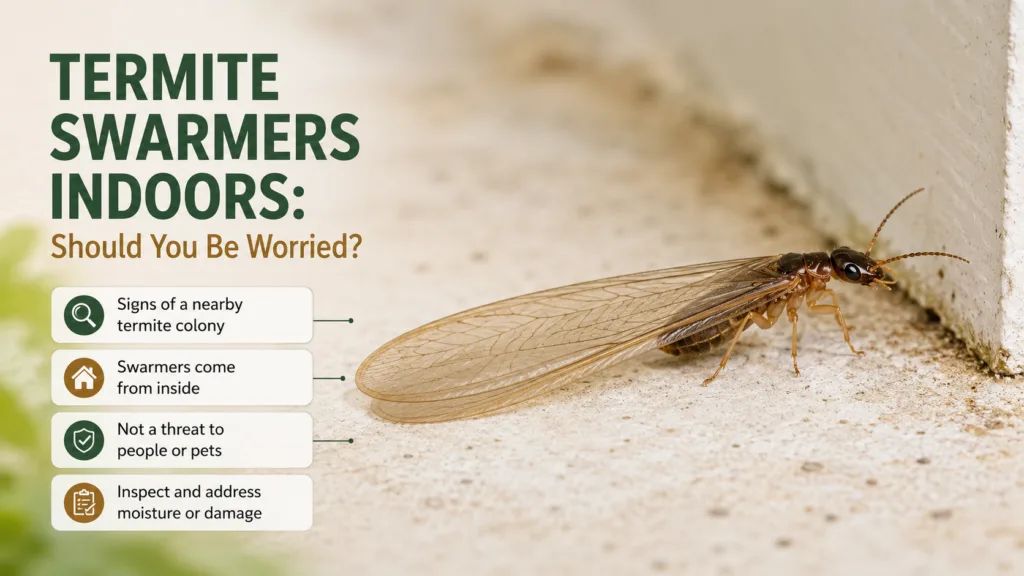
Indoor termite swarmers warrant investigation, especially if they emerge from walls or wood. Outdoor entry and shed wings need context.
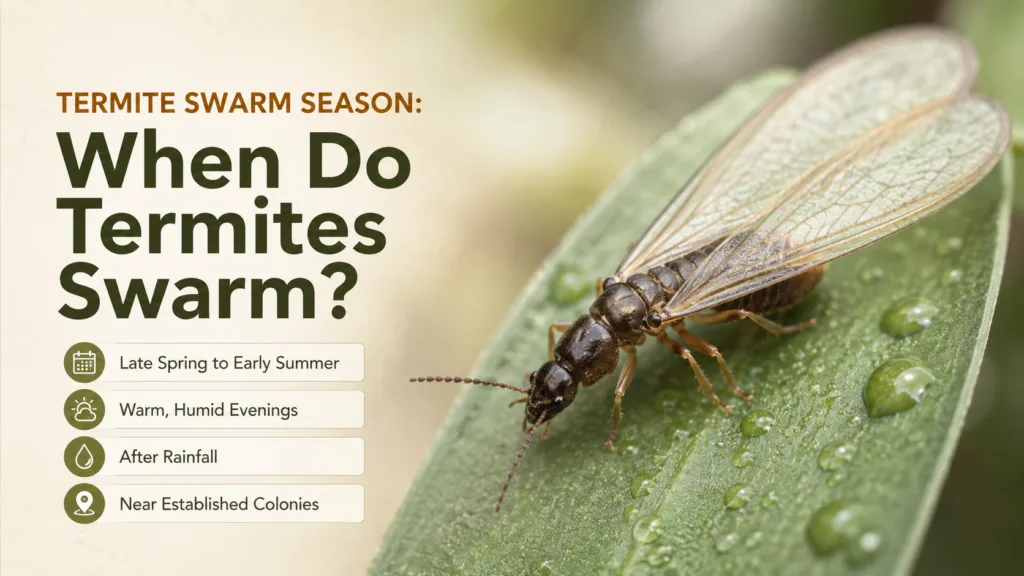
Termite swarming varies with species, region, rain, temperature, and time of day, so seasonal windows differ widely from place to place.
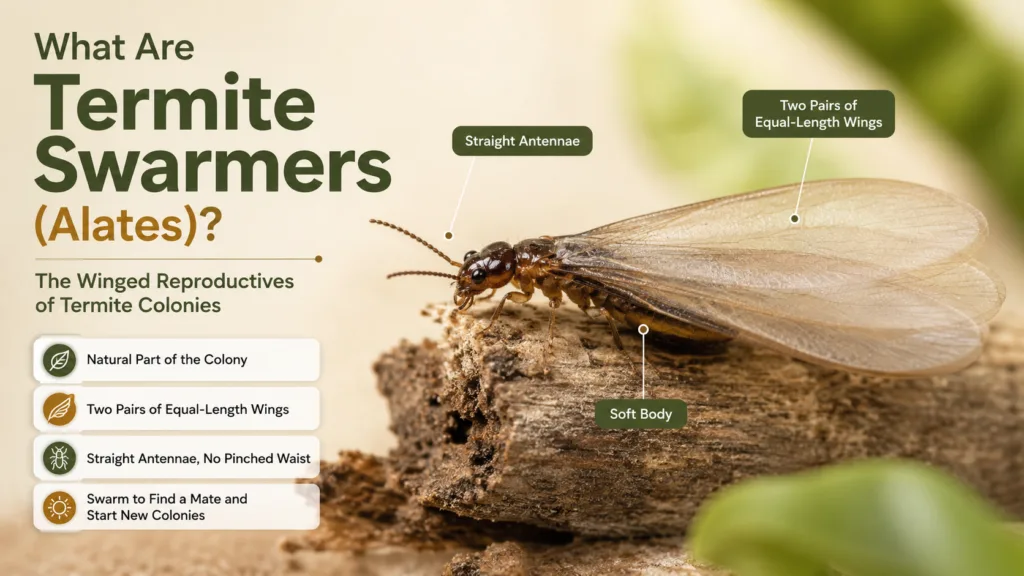
Termite swarmers are winged reproductives for dispersal and mating. Equal-sized wings, straight antennae, and a broad waist aid identification.
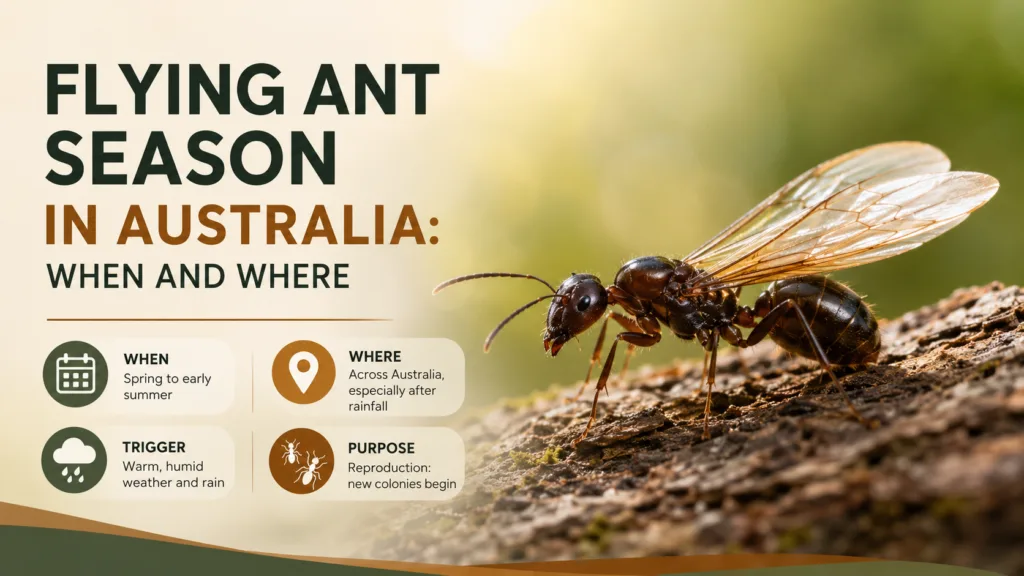
Australian flying ant activity varies with species, rainfall, temperature, and climate zone, with wet-season patterns strongest in the north.
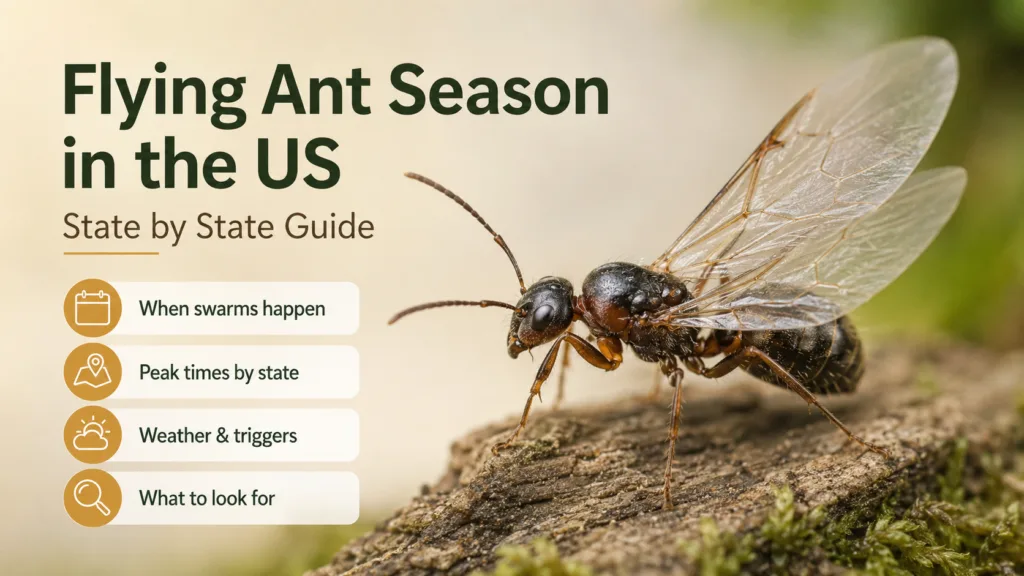
US flying ant season varies by climate, species, elevation, rain, and region, so state timing is a watch window rather than a fixed date.
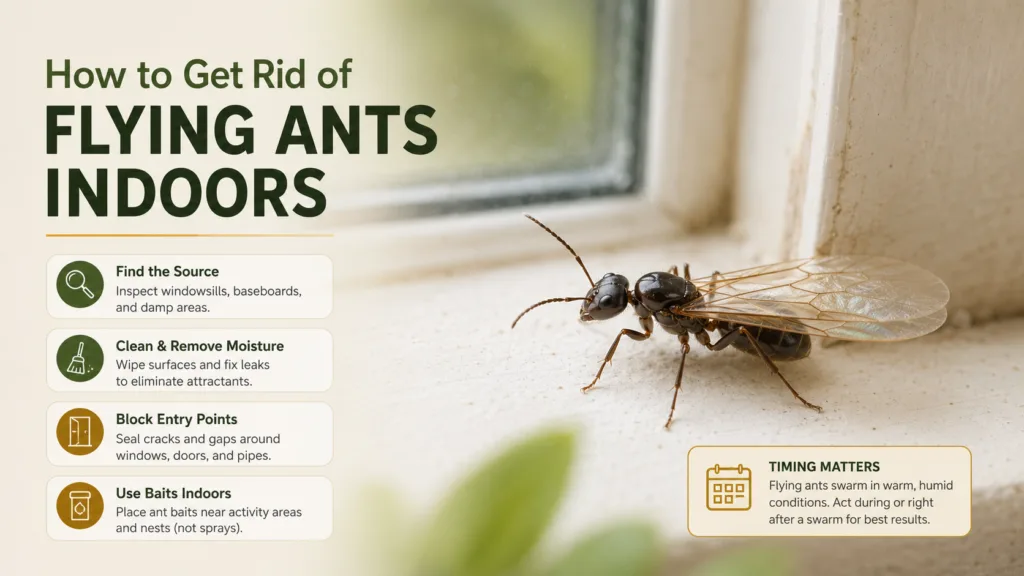
Remove indoor flying ants, rule out termite swarmers, then trace nest evidence before choosing bait, exclusion, moisture repair, or inspection.
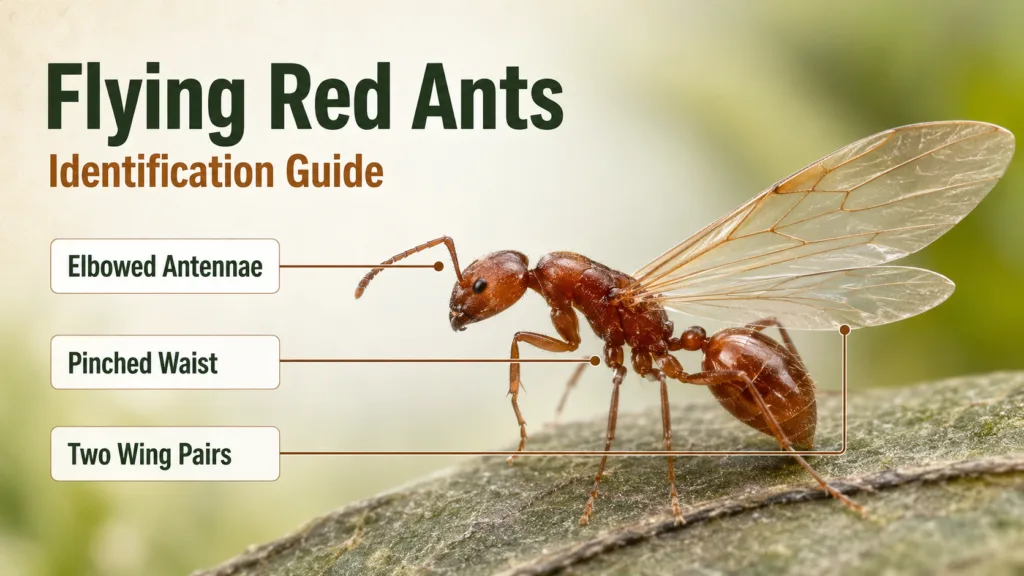
A flying red ant may be a fire, carpenter, field, harvester, or other ant. Body structure, color pattern, size, and nest context help narrow it down.
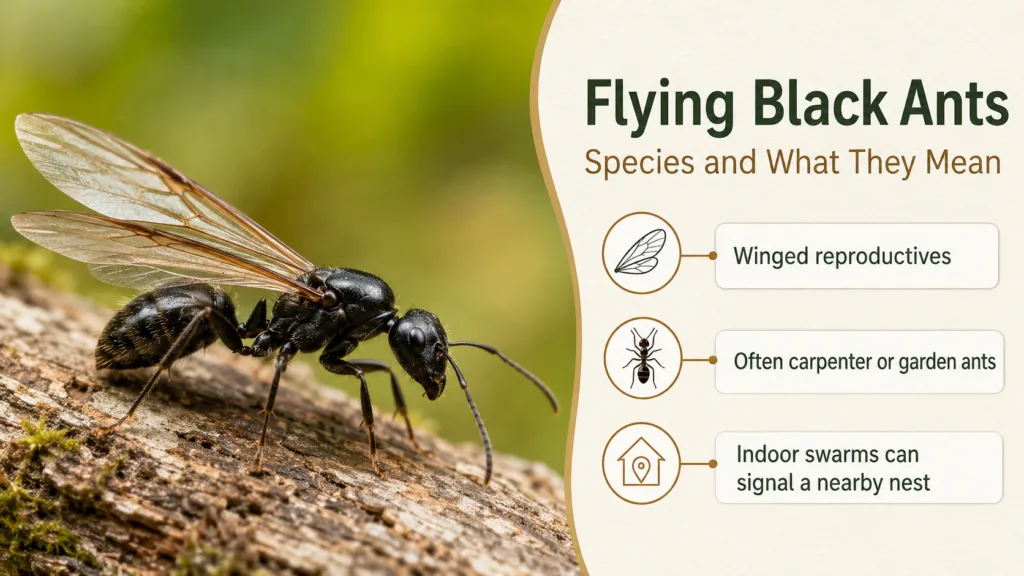
Black flying ants are reproductive forms from several species. Size, habitat, nest location, and indoor emergence help identify the source.
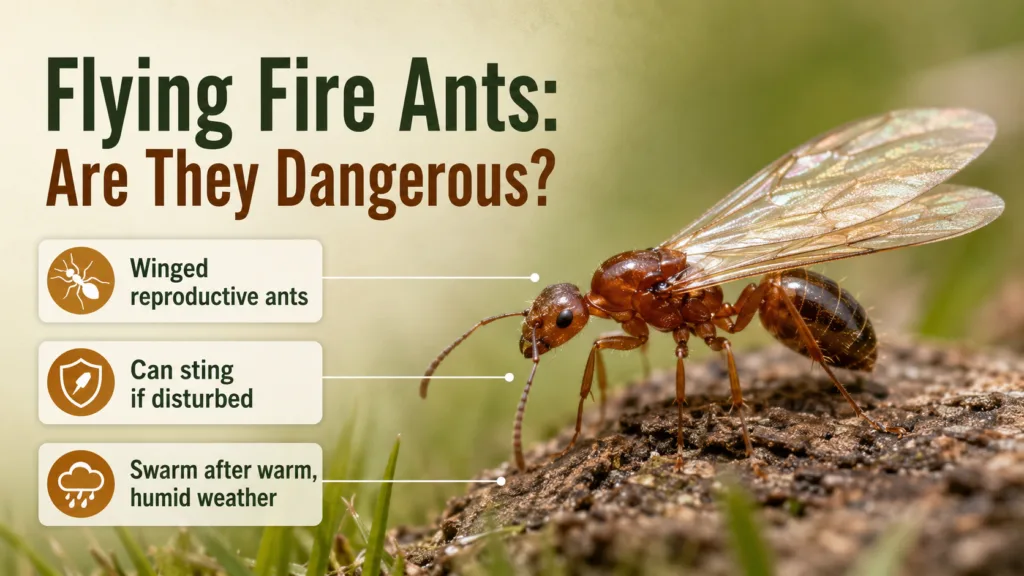
Flying fire ants are reproductive males and females; most sting risk comes from workers defending a mound. Sex and caste change the hazard.
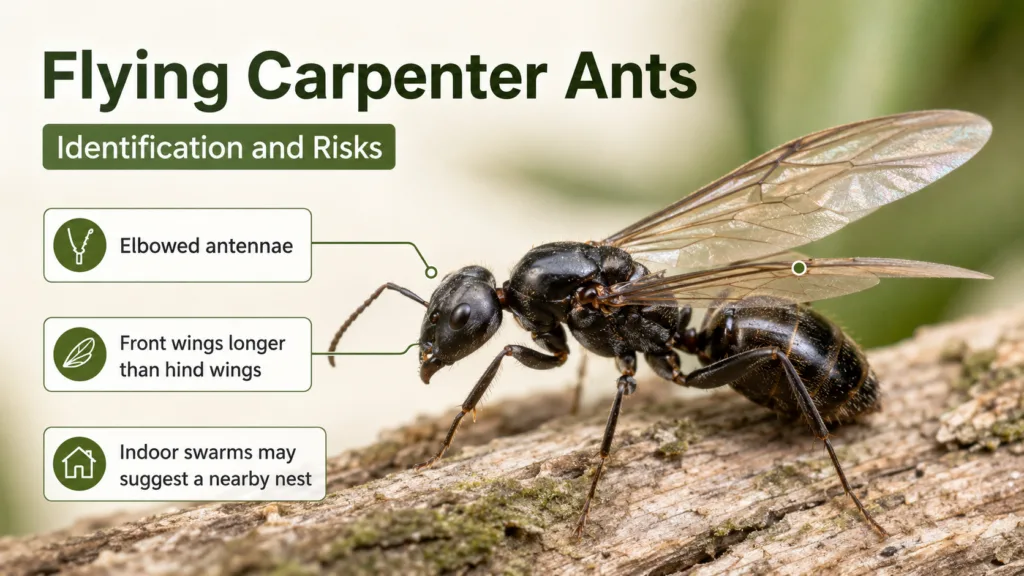
Identify flying carpenter ants by Camponotus body traits, size, petiole shape, and context, then assess whether they point to an indoor nest.
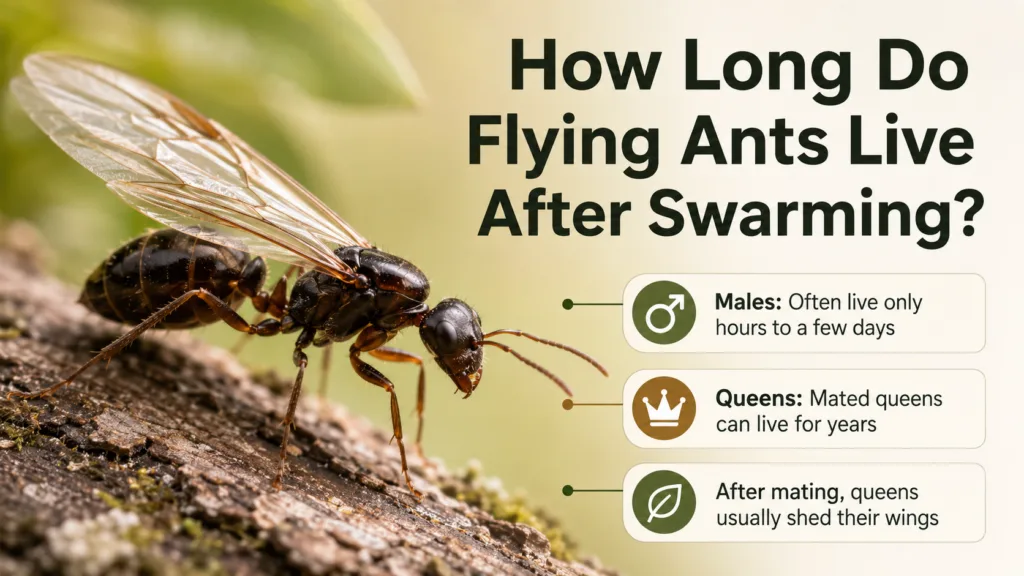
Male flying ants often die soon after mating, while mated females may become queens. Lifespan after swarming depends on caste and species.
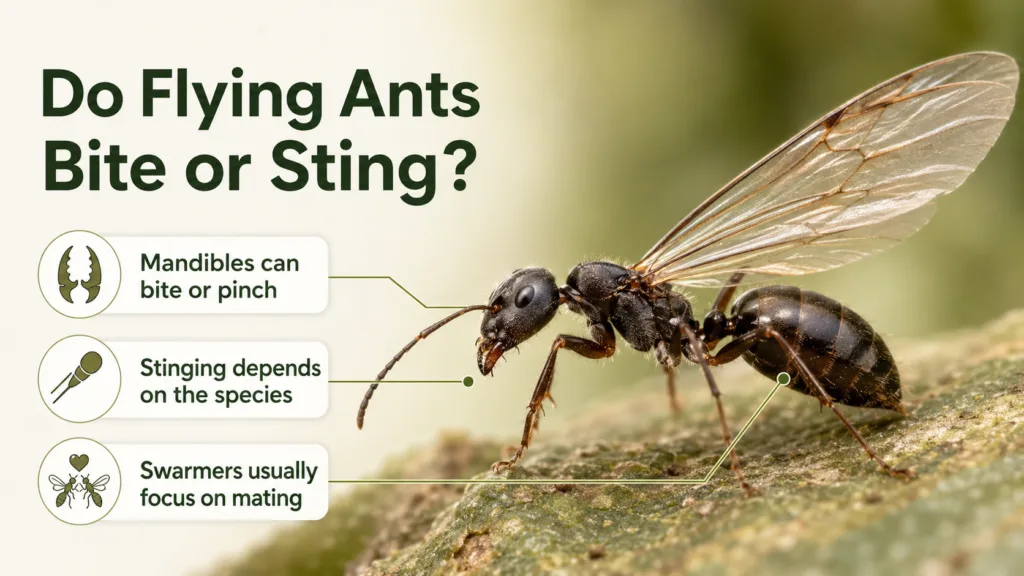
Flying ants may bite or sting depending on species, sex, and anatomy. Separate mandible bites, venomous stings, and mating-swarm behavior.
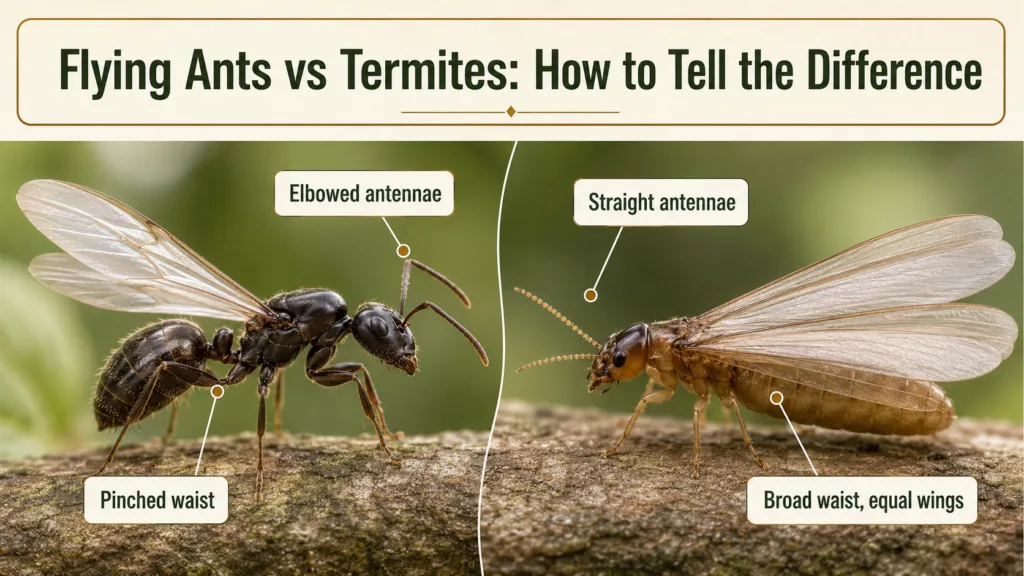
Tell flying ants from termite swarmers using antennae, waist shape, and wing proportions, including clues that remain after wings are shed.
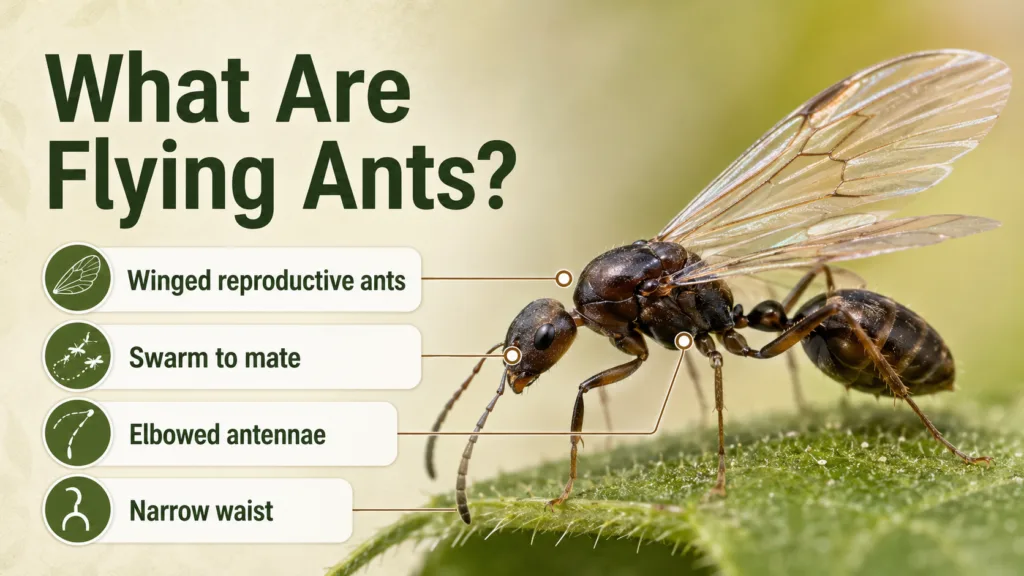
Flying ants are winged reproductive ants, not a separate species. Identify them by body shape, antennae, wings, and mating-flight behavior.
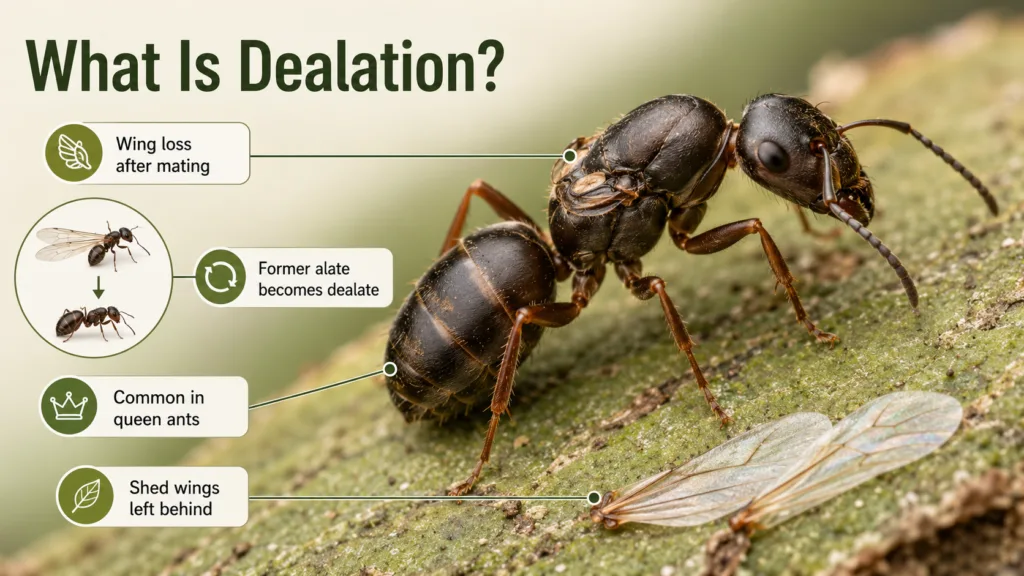
Dealation is adult wing loss after a winged phase. See how ants and termites shed wings, what triggers it, and why it does not prove mating.
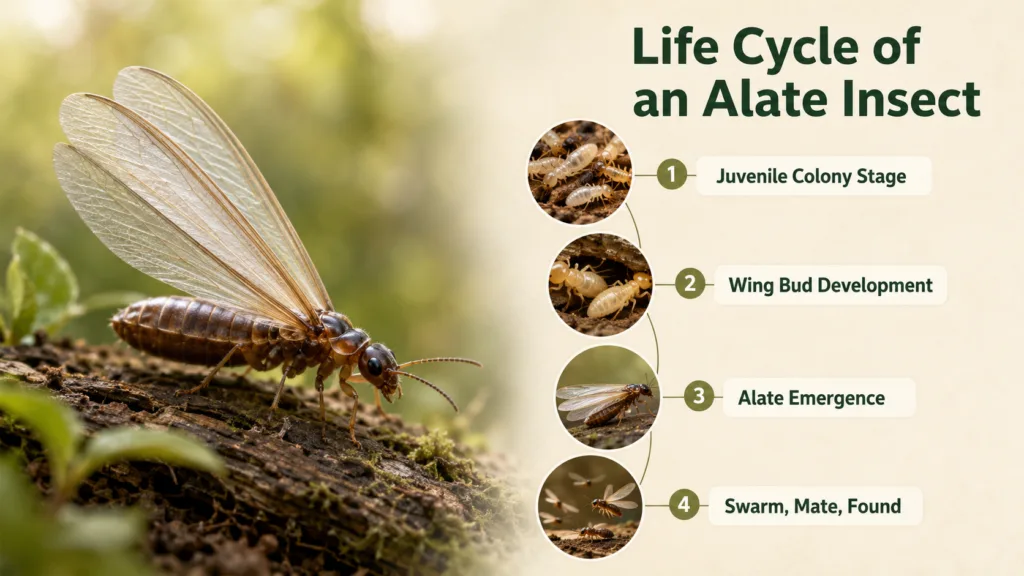
The alate phase fits differently into ant, termite, and aphid life cycles, linking development and dispersal with mating or colony founding.
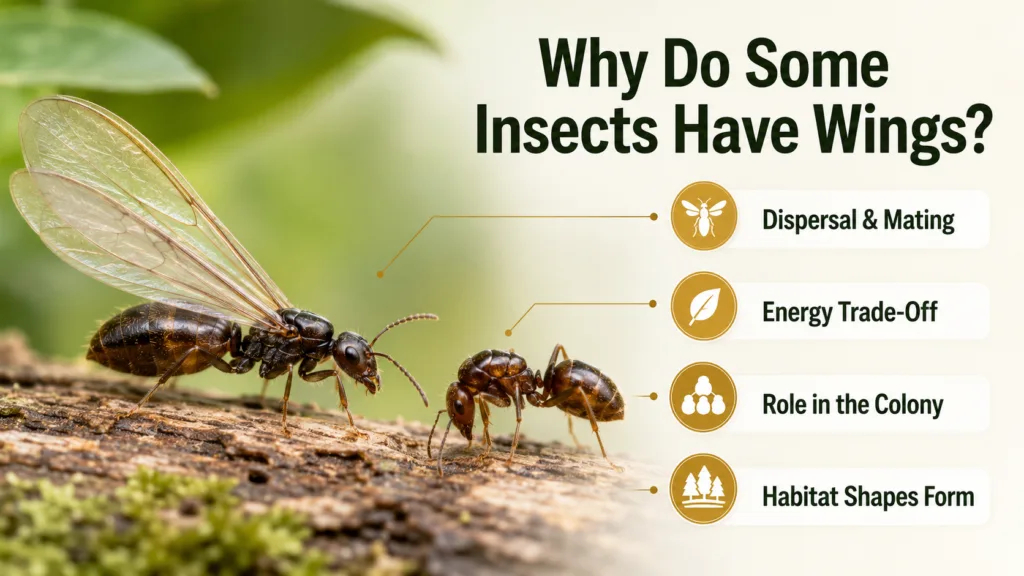
Insect wings can evolve, disappear, or occur only in certain sexes, castes, stages, or morphs when flight provides a biological advantage.
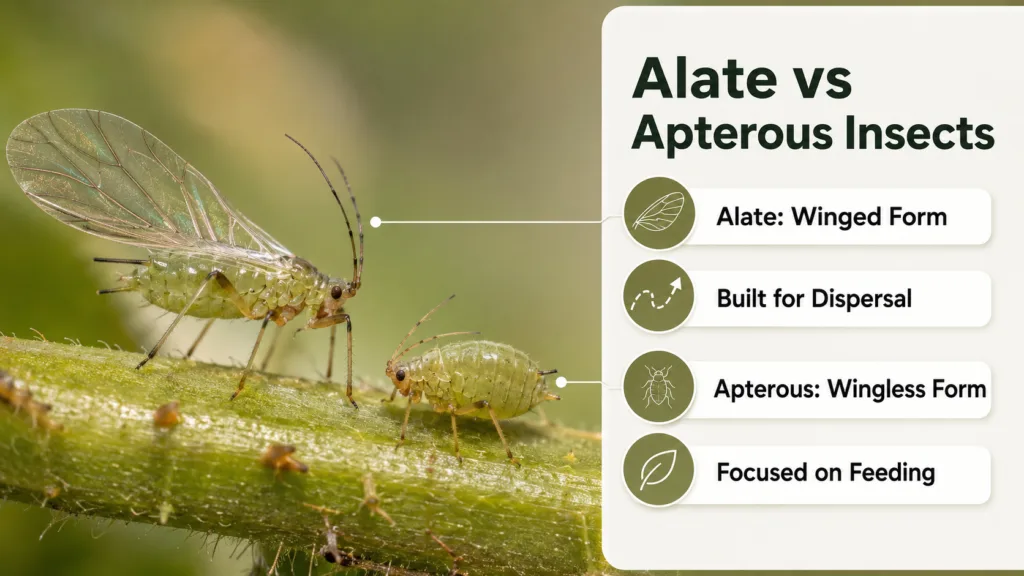
Compare alate and apterous insect forms by wings, development, dispersal, caste, and species context across aphids, ants, and termites.
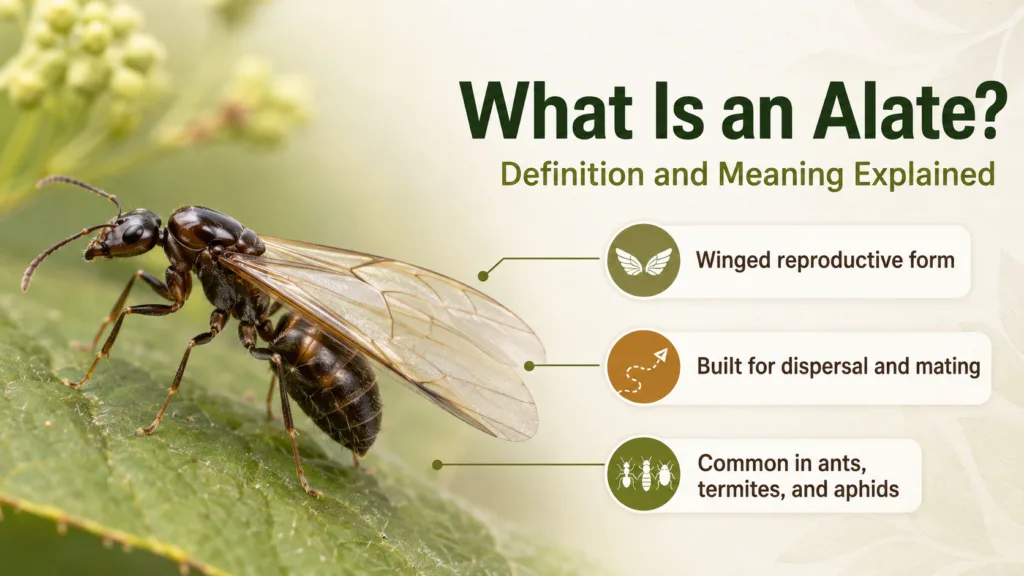
An alate is a winged form. In entomology, the term is used especially for the winged reproductives of ants and termites and for winged morphs of insects…